




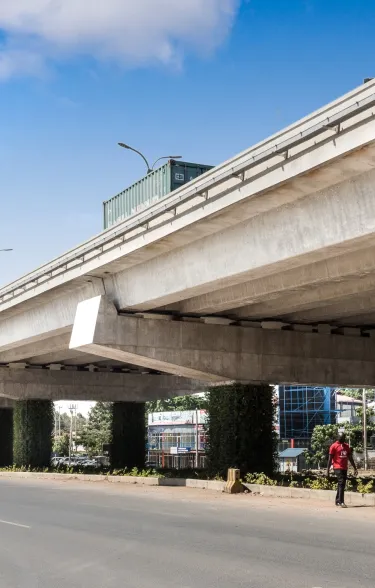
CEMENT QUALITY AND INNOVATION
#BuiltByBamburi: We are putting innovation and digitization to work to build the nation
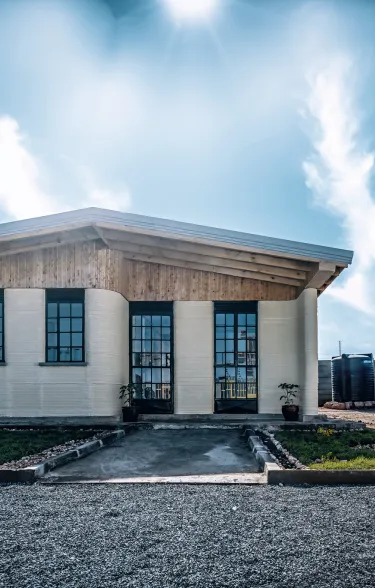
BUILDING FOR PEOPLE AND THE PLANET
Bamburi continues to expand its solutions and find even better ways to build sustainably

A WORLD THAT WORKS FOR ALL
Fostering a world that works for all through strategic programs and partnerships
We are building a net-zero future for People and the Planet.
WHAT WE DO

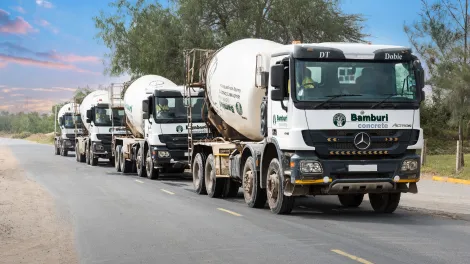
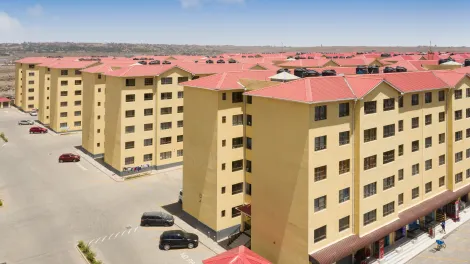

OUR STORIES

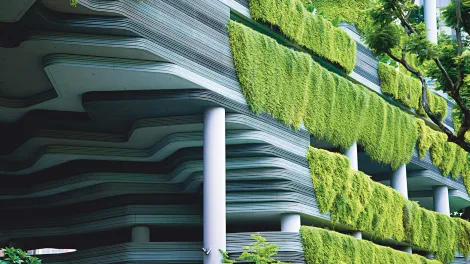

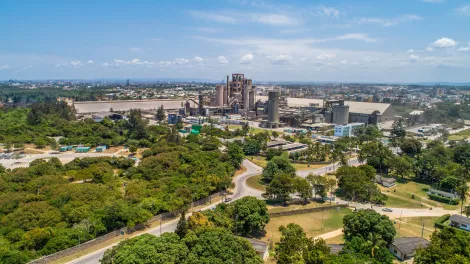
We are Bamburi
Serving our customers with excellence
Thank you for giving us the privilege to partner you!
Latest news
Bamburi Cement, IFC Partner to Boost Procurement Opportunities for Women-owned SMEs
Bamburi Cement Group announces 22% growth in profitability posting Kes 2.2 billion in FY 2021 27.04.2022
Bamburi Cement enters the specialized mortar market by unveiling a tile adhesive line, Bamburi SETI
Bamburi Cement signs solar power purchase agreement with MOMNAI Energy as it moves towards more ‘green’ energy
Bamburi Cement boosts recruitment of women into trucking industry
14 Trees announces Africa’s largest 3D-printed affordable housing project in Kenya
